
Pacaya Volcano weather and the choice of season
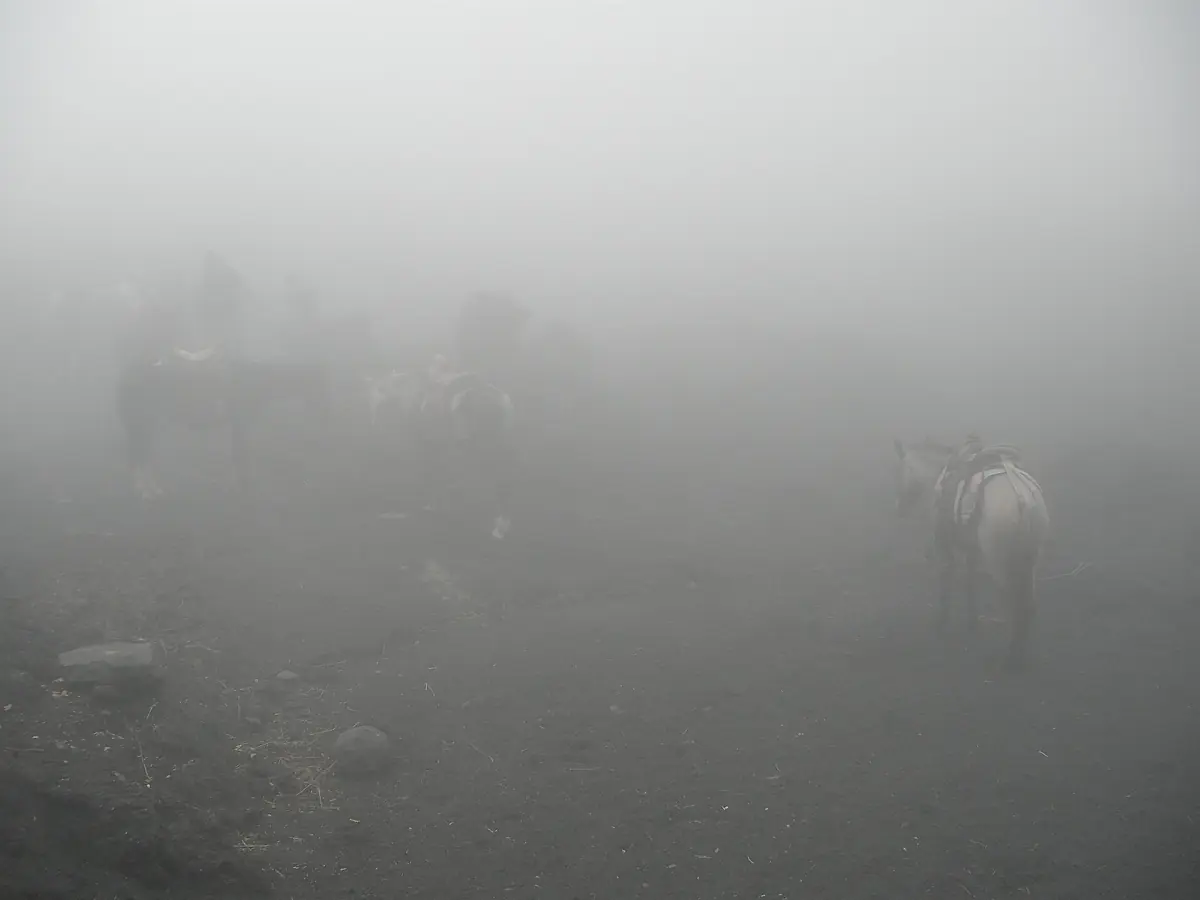
Pacaya Volcano weather is a useful starting point when choosing the best time to visit, with the month forming one part of the plan. INGUAT describes November to April as the drier season and May to October as the rainier season, with afternoon rain more frequent during the latter. Use that pattern to choose a departure and prepare clothing, while leaving the day’s route to local conditions.
For visitors with flexible dates, the drier season offers the seasonal starting point for planning a walk. Still bring rain and wind protection: a seasonal label is not a promise of clear views. If your dates fall in the rainy season, give the visit some room in the itinerary rather than placing it immediately before a fixed onward journey. The hiking guide explains what the walking day involves.
Morning or afternoon on the volcano
INGUAT’s advice of 11 August 2026 presents the morning as a way to keep more daylight in reserve for the descent. Combined with its seasonal description of more frequent afternoon rain, that makes a morning departure worth considering, especially when rain is a concern. Keep the complete excursion time in mind: the departure time in Antigua is not the time you step onto the trail.
The hike featured here has morning and afternoon options. Pickup starts at 6 am or 2 pm according to the reservation, with passengers asked to be at the meeting point by 5:55 am or 1:55 pm. The operator allows 10 to 30 minutes for pickups and makes only one pickup attempt. Its overall duration is five to six hours. Choose an option you can reach reliably from your accommodation.
Our take: a guided departure
Choose a morning or afternoon pickup according to the available booking options.
Hand-picked tours, booked through Viator. Prices are indicative starting prices in US dollars (as of November 2026). Tap a tour for live availability and the current price in your currency.
A hike with morning and afternoon departures
Choose the reserved Antigua pickup time and prepare for a guided walk with layers, water and weather protection.
What the departure time means for the experience
An afternoon departure can fit a different daily schedule, but choose it as an afternoon hike rather than expecting a sunset product. Ask how the day’s timing and return are organised, and follow the guide’s instructions. Treat photographs of illuminated skies as illustrations, and use the day’s weather and local instructions to plan your own visit.
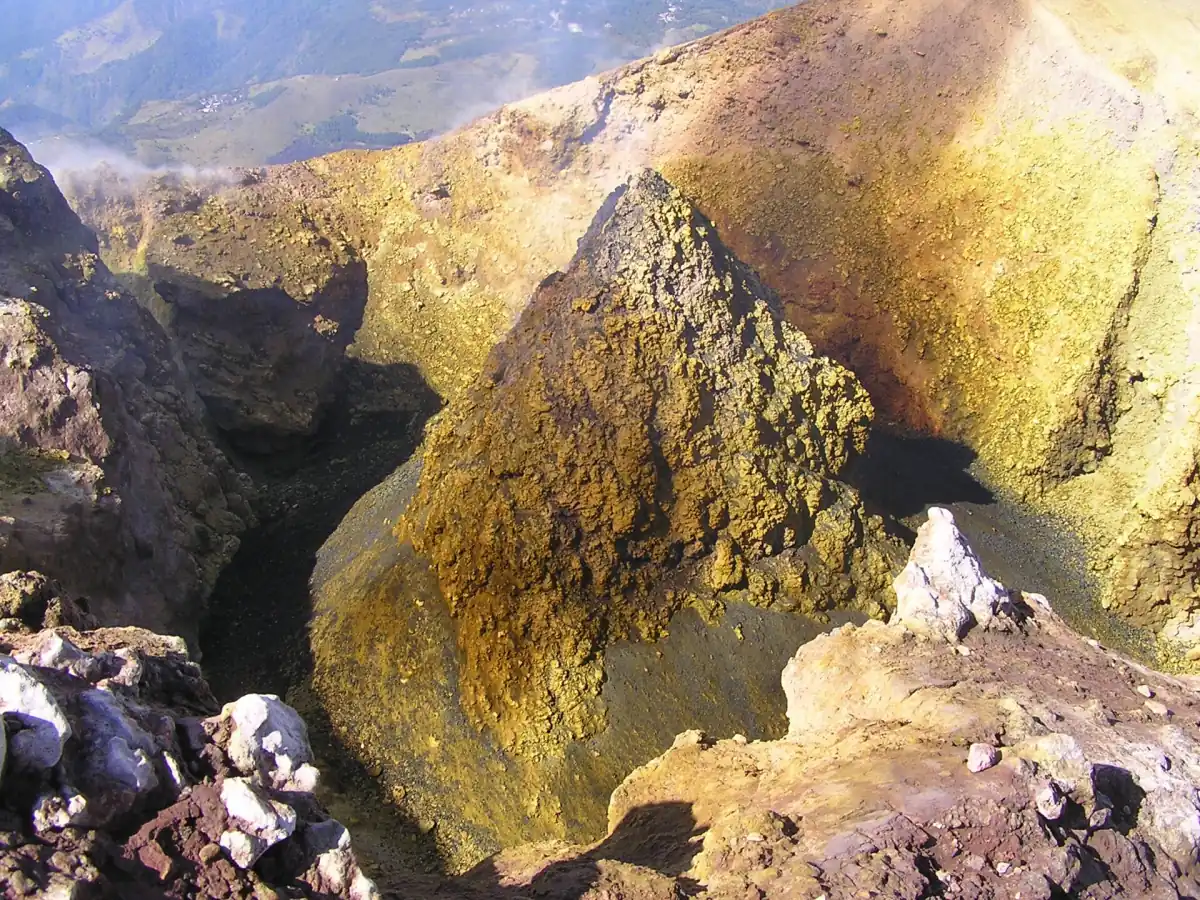
The featured outing includes return transport from Antigua and a bilingual local guide certified by the Guatemalan government. Its inclusions also list marshmallow roasting at volcanic rocks, an activity that depends on sufficient heat and the areas used that day. Select the hike for the guided visit and volcanic landscape, with changing weather and conditions part of the planning rather than a reason to expect glowing lava.
Clothing for rain, wind and a stop
Pack walking shoes, a warm layer, wind protection, rain protection and sun protection. Keep the layer accessible for a pause rather than burying it beneath other belongings. A walking operator recommends two litres of water for its route; treat that as a practical route recommendation and check the requirements for your own outing. Preparing the bag before pickup is particularly helpful for the early departure.
CONRED’s outlook issued on 3 November 2026 describes a transition towards colder nights and mornings during that November. Its forecast horizon ends on 30 November 2026. That dated outlook supports taking a warm layer for this period, but it is not a monthly temperature table for the volcano. Choose clothing for changing conditions instead of relying on a city or airport temperature as the trail forecast.
Keep weather and access decisions separate
A dry forecast does not decide which paths the group will use. In its notice of 11 August 2026, INGUAT described ascent to the main crater as prohibited and directed visitors to established paths and open areas. CONRED’s guidance of 29 October 2026 advised avoiding craters and restricted areas, and not crossing or remaining in ravines or riverbeds during rain. These are dated notices to discuss alongside the day’s local instructions.
Allow flexibility in both road travel and the walk if conditions change. For the trip back to your base, keep an onward transfer outside a tight connection window. The transport guide separates the airport journey from the volcano day, and choosing an Antigua base helps with early pickup. Read the activity and visitor safety page to distinguish weather planning from volcanic observations.
Questions about the visit
Which months are drier at Pacaya?
INGUAT describes November to April as the drier season and May to October as the rainier season. Rain, mist and cloud can still affect the visit, so carry weather protection in either period.
Is the morning a useful choice in the rainy season?
Consider it for the additional daylight reserve described by INGUAT on 11 August 2026 and the seasonal tendency towards more afternoon rain. Allow for transport and pickup before the walk begins.
Does booking the afternoon option mean sunset views?
Book it for an afternoon guided visit. Views and the day’s timing depend on conditions; a 2 pm pickup is the start of the excursion rather than a promise about the sky or access at sunset.