
What Pacaya lava means for a visitor
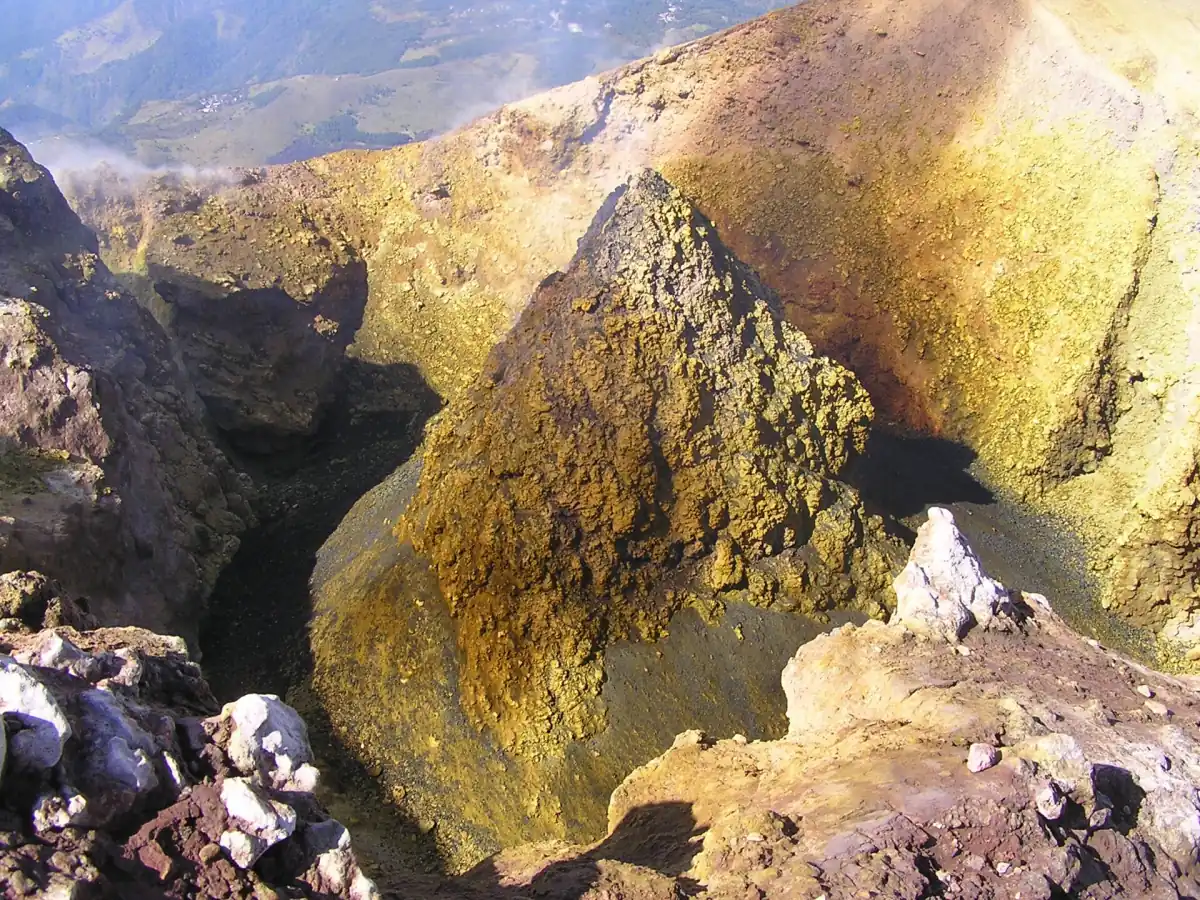
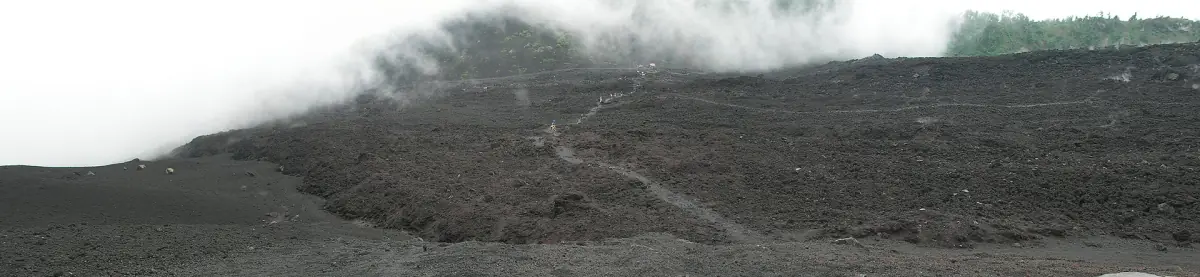
Pacaya lava is part of the volcano’s landscape and eruption history, but the word alone does not tell you what you will see. INGUAT describes solidified lava fields, fumaroles and geothermally warm areas. These are different from flowing or glowing lava. Plan a visit around the volcanic landscape and the route available to your group, rather than a particular photograph of an eruption.
CONRED reported weak degassing of water vapour and magmatic gases on 29 October 2026, with no incandescence reported. That observation belongs to that date. It is neither a forecast for a later visit nor an access authorisation. Before travelling, consult the day’s official information and the instructions for your excursion. The hiking guide explains the visitor route and equipment separately from the volcano’s activity.
Reading a dated activity report
An activity report describes observations of a volcano. It serves a different purpose from instructions telling visitors which paths they may use. Keep those questions separate when preparing your day: what has the monitoring authority observed, and where is your guided party permitted to go? A commercial departure time answers neither question on its own.
CONRED’s report of 1 September 2026 described steam and gas escaping at the Mackenney crater. The later observation of 29 October 2026 recorded weak degassing. Neither report should be turned into a promise of visible molten material. Older photographs can help illustrate the landscape’s history, while your expectations for the visit should centre on conditions and instructions for the actual day.
Our take: visit the volcanic landscape
This guided visit includes transport from Antigua hotels and roasting in designated areas, subject to conditions and access.
Hand-picked tours, booked through Viator. Prices are indicative starting prices in US dollars (as of November 2026). Tap a tour for live availability and the current price in your currency.
Guided walk through Pacaya’s volcanic landscape
Travel from Antigua hotels with a local guide and conditional marshmallow roasting in designated volcanic-field areas.
Solidified fields, warm stones and marshmallows
A solidified lava field offers a way to see terrain shaped by eruptions. Geothermal warmth is a separate feature, and glowing material is another condition again. Avoid treating all three as interchangeable. In particular, a photograph showing red lava should not suggest that a visitor can approach that scene or that the same conditions will occur during a booked excursion.
The guided visit featured here includes round-trip transportation from Antigua hotels, an air-conditioned vehicle, a certified local guide and marshmallow roasting in designated areas of the volcanic field. Roasting depends on sufficient warmth and the areas available for the visit. The activity uses warm rock; it should not be imagined as holding food in fresh lava. Follow the guide’s instructions rather than testing stones by touch.
Crater access and restricted areas
In its notice dated 11 August 2026, INGUAT described ascent to the main crater as prohibited and told visitors to use established paths and open areas. The notice supplied no end date. This is a dated access instruction, rather than a newly checked statement of the complete park situation. Obtain the instructions for your day and keep the planned walk within the areas made available to visitors.
CONRED’s advice dated 29 October 2026 warned against approaching craters and restricted areas. It also advised against crossing or remaining in ravines and riverbeds during rain. A guided outing does not turn a monitoring location into a visitor stop. Read the volcano’s history to understand the old lava fields without interpreting scientific work there as an invitation to enter them.
Weather and preparation for the route
Pack hiking footwear, a warm layer, wind and rain protection and sun protection. The terrain is a walking environment, even when your day starts with a road transfer. Keep space in your schedule for the return journey and follow local instructions if the programme changes. The weather and season guide discusses the drier and wetter parts of the year without promising a clear view.
For travel planning, separate the journey from the volcanic visit itself. Choose a departure that fits your accommodation and allow time for the meeting arrangements. Compare guided excursions by their transport and activities, and read the admission guide to establish whether entry belongs to the package. The purpose is a workable day in a changing landscape, with expectations based on what the excursion actually includes.
Frequently asked questions
Will I see glowing lava?
Plan for volcanic scenery rather than a lava sighting. CONRED reported weak degassing with no incandescence reported on 29 October 2026; that dated observation does not predict conditions for your visit.
Are marshmallows roasted in fresh lava?
Roasting uses geothermal warmth in rock and depends on conditions and the areas available to the group. Follow the guide’s directions and avoid touching stones to test their temperature.
Does the activity report tell me the park is open?
Arrange access and the permitted route separately. Monitoring observations describe volcanic conditions on their stated date; visiting instructions determine where your party can go.